
As an athlete, you face immense pressures daily – from rigorous training demands to competitive outcomes, injuries, and even personal life challenges. Have you ever wondered why some athletes seem to thrive under pressure while others struggle? The answer often lies in resilience.
At Inside Edge Sport Psychology Consultancy, we understand that resilience is not a rare, fixed trait you either have or don’t. Instead, it’s a context-specific capacity that can be developed and trained over time, recognising the crucial role of your environment. Developing resilience helps you withstand pressures, maintain well-being, and attain peak performances.
Building Individual Resilience: Your Psychological Toolkit
Individual resilience is your ability to use personal qualities to withstand pressure and maintain optimal functioning (both well-being and performance). Based on extensive research, we focus on four key areas to help you build it:
- Clarity on Resilience: Understanding what resilience truly is – a dynamic process and a developable capacity – helps foster a “common language” and a consistent approach to its development.
- Enhancing Personal Qualities: Your psychological factors act as protectors from negative consequences. Key qualities include:
- Traits such as optimism, conscientiousness, and proactivity can significantly influence how you react to stressors.
- Having a clear, self-determined drive to compete at your highest level, even through challenging situations, is crucial.
- Your belief in your ability to succeed, stemming from thorough preparation, experience, and even support from others, is a powerful protective factor.
- The ability to concentrate on what is most important, switch focus as needed, and avoid distractions helps you manage pressure effectively.
- Knowing that high-quality support from coaches, teammates, and family is available can buffer the potential detrimental effect of stressors and foster a challenge appraisal.
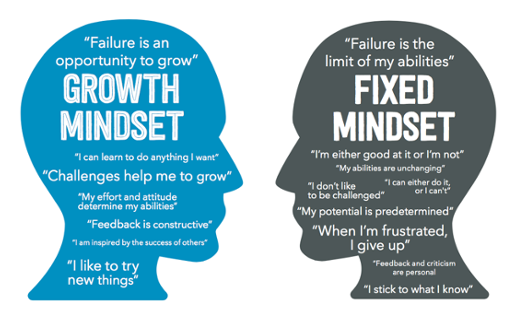
3. Evoking and Maintaining a Challenge Mindset: Arguably the pivotal point of any resilience training programme is for individuals to positively evaluate and interpret the pressure they encounter. This means seeing stressors as opportunities for growth, development, and mastery, rather than threats. Techniques like learning your ABCs (Activating events, Beliefs, Consequences) can help you identify and regulate unhelpful thoughts.
4. Creating a Facilitative Environment: While personal qualities are key, the environment you train and compete in is vital for you to thrive. A high challenge-high support environment promotes learning, builds trust, and instills accountability. This involves gradually increasing pressure alongside motivational and developmental feedback.
Developing Team Resilience: Stronger Together
In addition to individual resilience, sport psychology researchers have focused on the group level. Team resilience is defined as a “dynamic, psychosocial process which protects a group of individuals from the potential negative effect of the stressors they collectively encounter,” where members use individual and collective resources to positively adapt when experiencing adversity. Research indicates that enhancing team resilience can significantly improve team performance and mental well-being.

Key psychosocial processes for developing team resilience include:
- Transformational Leadership: Especially during early development or under pressure, transformational leadership inspires and positively influences the motivation, morale, and performance of team members during difficult situations. This includes developing a collective vision, reinforcing high standards, and providing support.
- Shared Leadership: It is important for individual team members to lead each other, spreading ownership and accountability during stressors. Strategies like creating leadership groups can promote connectivity and ensure players are ‘on the same wavelength’ during setbacks.
- Social Identity: Cultivating a distinctive “we” mentality, defining shared values, and clarifying group goals strengthens the team’s ability to withstand pressure.
- Team Learning: Collectively acquiring and acting on new knowledge following setbacks, through discussions about errors and replicating pressurised situations, is vital for resilient teams.
- Team Enjoyment and Positive Emotions: Displaying positive emotions and nurturing supportive relationships during setbacks can strengthen team resilience.
How Inside Edge Sport Psychology Consultancy Can Support You
Whether you’re an individual athlete striving for peak performance or part of a team aiming for sustained success, Inside Edge Sport Psychology Consultancy can help you cultivate and strengthen your resilience. We draw on evidence-based approaches from the latest research to provide practical recommendations for athletes, coaches, and support staff. By focusing on enhancing your personal qualities, fostering a challenge mindset, and creating a facilitative environment, we can help you navigate the inherent demands of elite sport and reach your full potential.
Ready to forge your edge? Get in touch with Inside Edge Sport Psychology today to discuss how we can support your resilience journey!
Blanco-García, C., Acebes-Sánchez, J., Rodriguez-Romo, G., & Mon-López, D. (2021). Resilience in Sports: Sport Type, Gender, Age and Sport Level Differences. International Journal of Environmental Research and Public Health, 18(15), 81-96.
Fletcher, D., & Sarkar, M. (2012). A grounded theory of psychological resilience in Olympic champions. Psychology of Sport and Exercise, 13(6), 669–678.
Gupta, S., & McCarthy, P. J. (2022). The sporting resilience model: A systematic review of resilience in sport performers. Frontiers in Psychology, 13, Article.
Sarkar, M., & Fletcher, D. (2013). How should we measure psychological resilience in sport performers? Measurement in Physical Education and Exercise Science, 17(4), 264–280.
Sarkar, M., & Fletcher, D. (2014). Psychological Resilience in Sport Performers: A Review of Stressors and Protective Factors. Journal of Sports Sciences, 32(14), 1419–1434.
Sarkar, M., & Hilton, N. K. (2020). Psychological Resilience in Olympic Medal Winning Coaches: A Longitudinal Qualitative Study. International Sport Coaching Journal, 7(3), 209–2191617.