
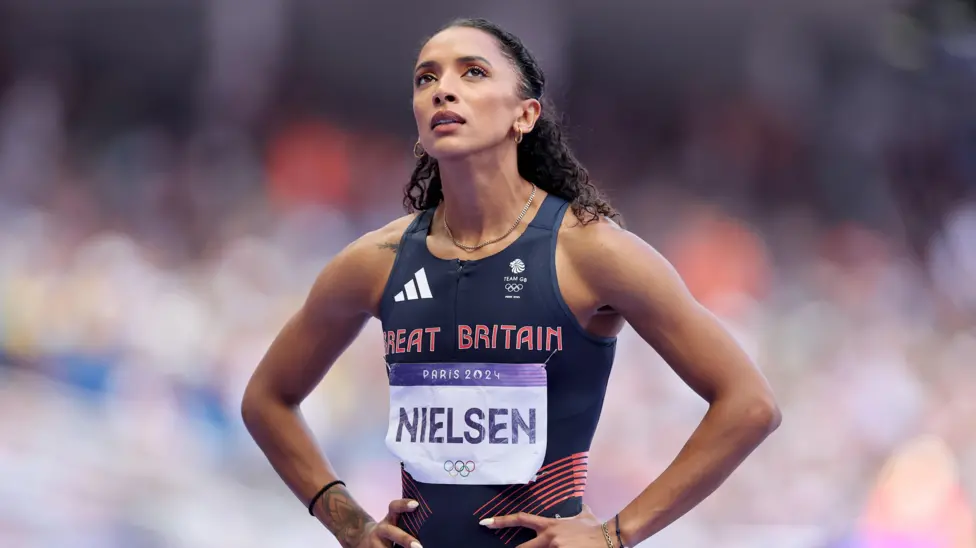
After winning two bronze medals at the 2024 Summer Olympics, Team GB sprinter Laviai Nielsen should have been on top of the world. Instead, she found herself completely burnt out — emotionally, mentally, and psychologically exhausted. She told the BBC that it took everything she had just to get out of bed and make it to the track. Her story shines a light on something that sports scientists have been researching for years: athlete burnout.
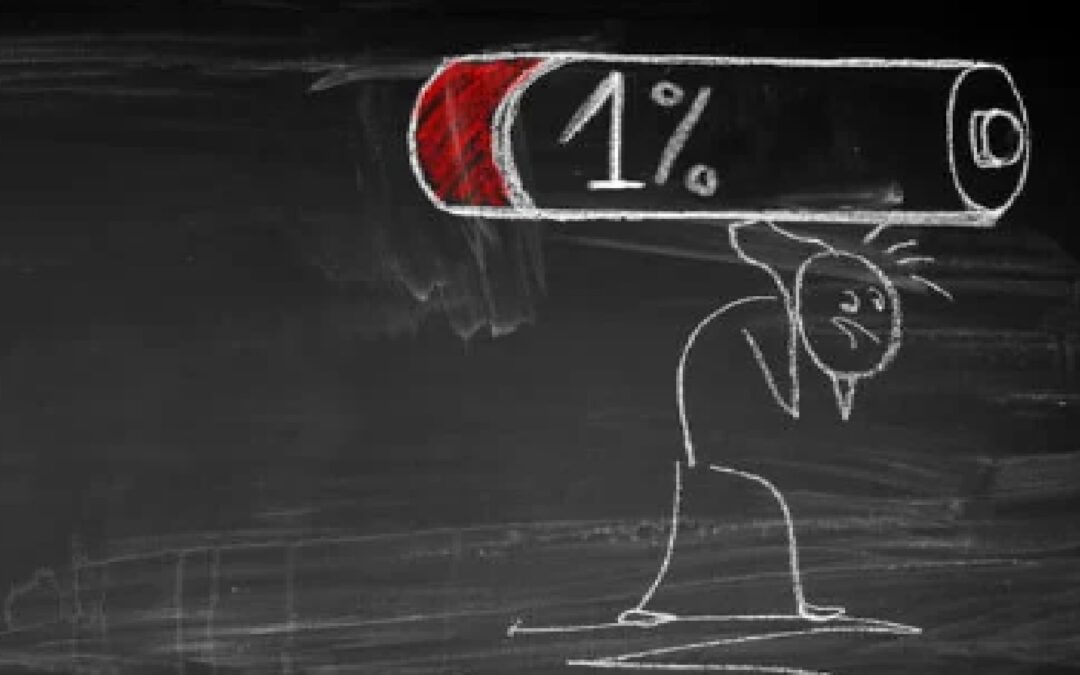
What is Athlete Burnout?
Burnout is much more than simply feeling tired after a hard week of training. It’s a deep, long-lasting loss of love for your sport. Researchers generally agree it shows up in three main ways:
Firstly, complete exhaustion, feeling physically and emotionally drained from the constant pressure of training and competing. Secondly, a loss of confidence, starting to feel like your efforts aren’t good enough or that your achievements don’t really matter. And thirdly, not caring anymore — developing a disconnected, “what’s the point?” attitude toward your sport.
For Nielsen, this meant that running started to feel “unnatural,” and she eventually had to take a three-month break to recover.
Why Does it Happen?
There are a few key reasons why athletes reach this point.
One major cause is stress that builds up faster than it can be dealt with. When the demands placed on an athlete — like Olympic-level expectations — feel too big to handle, the body and mind go into a kind of permanent stress response. Over time, this wears them down completely.
Another factor is losing a sense of who you are outside of sport. When being an athlete becomes your entire identity and you have little control over your own life, you become much more vulnerable to burnout. Nielsen touched on this herself, saying that even socialising became “exhausting.” She now actively tries to invest time and energy into life away from the track.
Some athletes also stay in their sport not because they want to, but because they feel trapped — by expectations from others, financial pressure, or simply not knowing what else they would do.

The Extra Pressures of Modern Life
Today’s world adds even more to the pile. Social media means athletes are constantly comparing themselves to others and feeling like they need to appear perfect at all times. Endlessly scrolling through their phones also stops their brain from ever truly switching off and resting.
On top of that, athletes who are perfectionists — particularly those who are terrified of making mistakes or being judged negatively — are far more likely to experience burnout.
Recovery: Rest is Not Laziness
A big part of Nielsen’s recovery was changing the way she thought about rest. As she put it: “Rest is not laziness. It’s a necessity.” Science backs this up — burnout often happens when athletes don’t get enough quality recovery time.
The tricky part is that when stress is at its worst, athletes are actually the least likely to let themselves rest. To help with this, sports psychologists recommend a few approaches. Talking therapies like CBT (Cognitive Behavioural Therapy) can help athletes manage stress and build better coping habits. Mindfulness techniques help athletes stay focused on the present rather than spiralling into anxious thoughts. And coaches can make a real difference by giving athletes more of a say in their own training, helping them feel less like they’re just along for the ride.
The Takeaway
Laviai Nielsen’s experience is a powerful reminder that even the most dedicated and successful athletes have their limits. Burnout doesn’t happen overnight — it builds up slowly over time. By encouraging athletes to have a full life outside of sport, making recovery a genuine priority, and easing the pressure to be perfect, the sporting world can help its athletes keep their passion alive long after the medals are won.