
In the fast-paced world of competitive sport, it’s easy to focus purely on training drills and fitness. But research shows that the relationship between a coach and their athlete isn’t just a “nice to have”, it’s the very foundation of good coaching. Put simply, coaching is a two-way partnership. Neither the coach nor the athlete can reach their potential without the other.
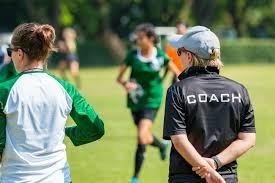
The Four Pillars of a Strong Coaching Relationship
To get a sense of how healthy your partnership really is, it helps to look at four key areas:
Closeness is the emotional side of your bond — the trust, respect, and genuine appreciation you have for one another. Commitment is about playing the long game. It’s the shared desire to stick together through the tough times as well as the good. Complementarity is how well you work together day to day, feeling comfortable around each other and responding positively to one another’s efforts. Shared understanding (sometimes called co-orientation) is perhaps the most important piece of the puzzle. Do you and your athlete actually see the relationship in the same way? The more you understand each other’s thoughts and feelings, the better your partnership will function.
Every Athlete is Different
Each athlete brings their own personality and life experiences to the relationship, and this shapes how they connect with you as their coach.
Some athletes are naturally open and comfortable building a close relationship. They tend to see their coach as a source of support, which makes for a smoother working partnership. Others may seem a little distant or prefer to keep things professional. This isn’t a sign that they don’t care, they simply value their independence. With these athletes, coaches need to make a conscious effort to build connection gradually and create a safe space for open conversation. Then there are athletes who worry about letting you down or fear that they’ll lose your support if they make mistakes. These individuals often need more regular reassurance that you’re in their corner.
Why This Actually Affects Performance
Investing in your relationship with an athlete isn’t just about good vibes, it has a real, measurable impact on results. A strong coaching relationship has been shown to boost athletes’ overall wellbeing and generate positive emotions like excitement and motivation. It also builds confidence, not just in individual athletes, but in the team as a whole, and leads to greater satisfaction with both training and performance.
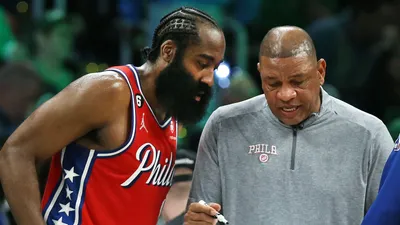
image from britannica.com
Practical Tips for Coaches
Give your athletes a voice. Involving them in decisions, rather than simply telling them what to do, builds trust and ownership. Research with Olympic medallists found that the coaches who listened were the ones who made the biggest difference. Don’t shy away from conflict, but don’t let it fester either. A small amount of tension can actually be energising, but ongoing conflict drains motivation and creates a toxic environment. Setting clear expectations early goes a long way toward preventing bigger problems down the line. Keep communication simple and personal. Especially in high-pressure moments, short and tailored cues work far better than lengthy instructions. This also helps your athlete feel confident making decisions on their own when it counts.
How Inside Edge Sport Psychology Can Help
Balancing all of this while managing a team is no small feat. Inside Edge Sport Psychology works with coaches to develop the relationship skills that sit at the heart of great performance.
We can carry out a relationship review using trusted assessment tools to identify where you and your athlete may be seeing things differently. We can help you understand each athlete’s individual personality and how best to connect with them. We offer practical training in resolving conflict and rebuilding trust — particularly during difficult periods like injury or burnout. And we work with coaches on their leadership style, helping them bring out the best in their athletes through thoughtful, personalised support.
When you put the relationship first, you’re not just coaching an athlete; you’re building the conditions for lasting success.
The main changes made were replacing academic jargon (like “dyadic partnership,” “Internal Working Models,” and “Transformational Leadership”) with plain, conversational language, breaking up dense bullet-pointed sections into flowing prose, and using everyday examples to make the concepts feel more relatable to a general audience.