
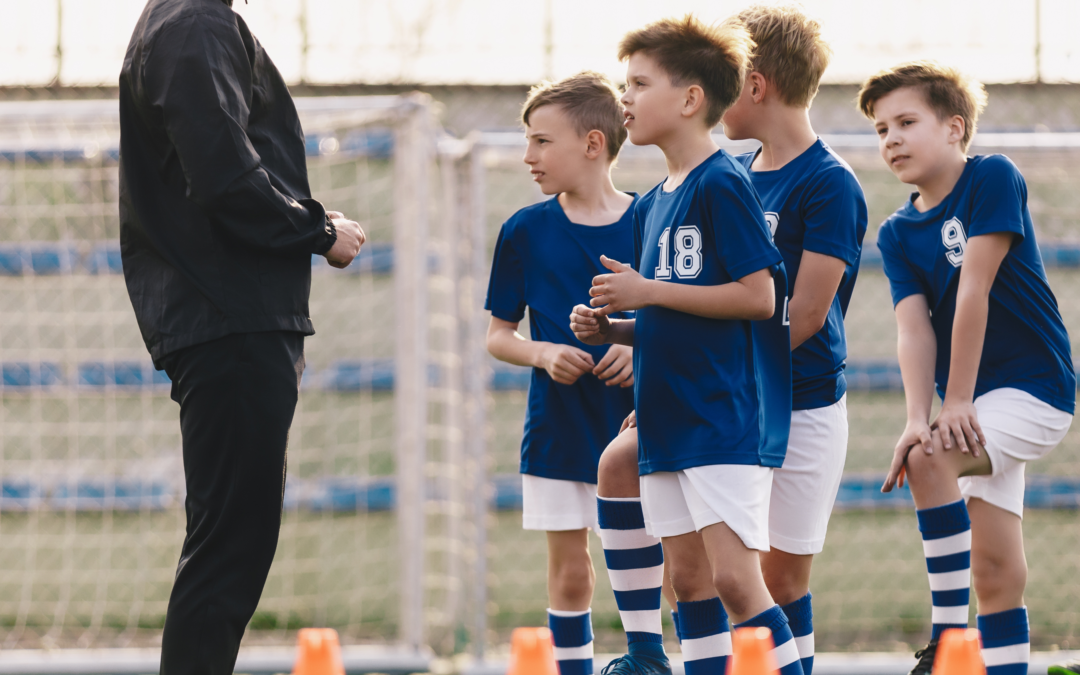
Youth sports offer a vital opportunity for children to develop movement skills, self-esteem, and social connections. However, the quality of these experiences depends heavily on the motivational climate created by the adults and peers surrounding the athlete. Research indicates that understanding the social-psychological factors at play can help ensure that young participants stay active and engaged into adulthood.
The Coach’s Role: Mastery Over Performance

The environment a coach establishes is a primary driver of an athlete’s success and satisfaction. Coaches generally foster one of two types of climates:
• Mastery (Task-Involving) Climate: This focuses on effort, cooperation, and personal improvement. Athletes in this environment tend to have higher levels of engagement, including more vigor, dedication, and enthusiasm.
• Performance (Ego-Involving) Climate: This emphasizes normative success, social comparison, and intrateam competition. While it can occasionally boost cognitive confidence, it is often linked to higher anxiety and lower satisfaction.
Beyond the focus on tasks, autonomy support is a crucial coaching behaviour. When coaches provide choices and acknowledge an athlete’s feelings, they nurture intrinsic motivation, leading to greater persistence in the sport. Furthermore, a task-involving climate strengthens the coach-athlete relationship, fostering higher levels of trust, respect, and commitment.
The Power of Peers
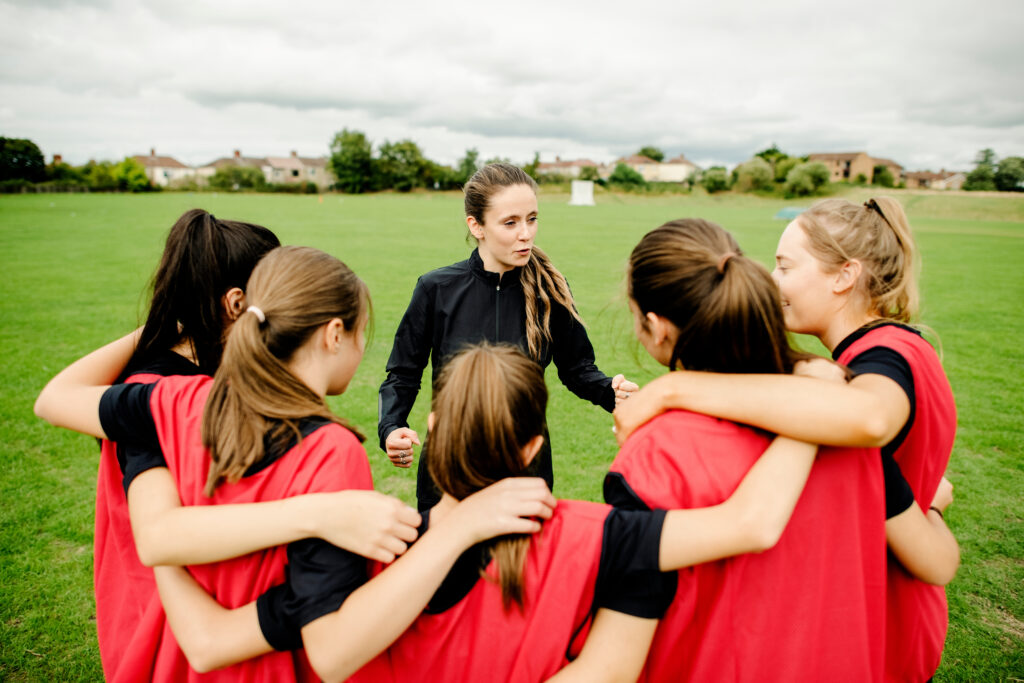
While coaches often set the initial tone, the influence of teammates becomes increasingly important as children move into adolescence. Peer groups create their own motivational climate through collaborative behaviors, evaluative communications, and social relationships.
A task-involving peer climate—where teammates encourage each other to try hard and work together to improve skills—is a strong predictor of an athlete’s enjoyment and commitment. Conversely, “intrateam conflict,” such as teammates blaming each other for mistakes or laughing at failures, can severely undermine motivation. Interestingly, when coaches provide autonomy support, they actually help facilitate a more positive, task-involving peer climate over time.
How Parents Support the Journey
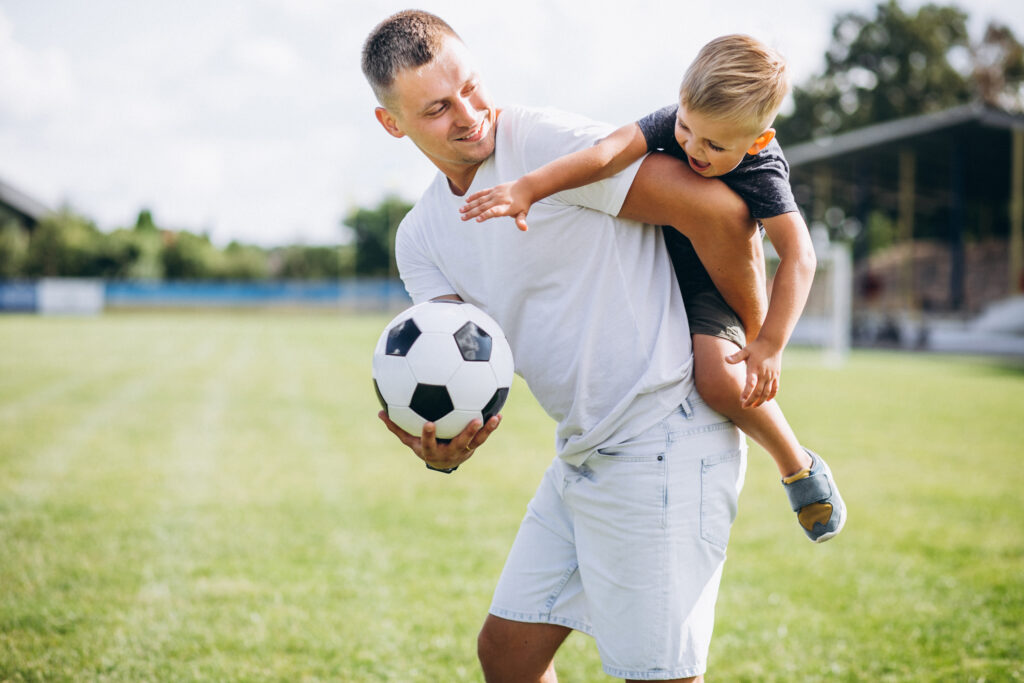
Parents are a global and omnipresent influence in a young athlete’s life. Their role is most salient in facilitating participation—providing transportation, equipment, and unconditional moral support.
In the early “sampling” stage of a child’s career, parents often contribute through “garden play”—informal, fun involvement that helps the child develop competence away from organized practice. To keep motivation high, it is vital that parent feedback remains constructive; highlighting effort rather than just outcomes helps children adopt mastery-oriented goals.
The Impact of Self-Belief
A central component of motivation is self-efficacy, or the belief in one’s own ability to perform a specific task. A major review of the literature shows that high pre-event self-efficacy has a moderate, positive effect on sports performance. This relationship is particularly strong in “closed-skill” sports—such as diving or triathlon—where the direct influence of an opponent is minimized. Athletes with high self-efficacy are more likely to set challenging goals and persist through setbacks.
Practical Takeaways for a Positive Climate
To promote long-term engagement and high-quality motivation, coaches and parents should:
• Focus on the process: Reward effort and improvement rather than just the final score.
• Encourage autonomy: Offer athletes choices and a rationale for decisions.
• Foster peer support: Create opportunities for teammates to socialize and learn together, which builds a sense of belonging.
• Keep it positive: Consistent encouragement and fun are linked to better motivational outcomes across all contexts.
By “getting it right” during these formative years, we can ensure that sports remain a source of well-being and growth for the next generation. offering a tailored report on youth sport motivation strategies if you’d like to dive deeper.