

Have you ever wondered why some people thrive in the chaotic social environment of a football team while others find peace in the solitary focus of long-distance running? It isn’t just about physical ability; research suggests that our personality traits play a massive role in the sports we choose and how successful we become.
Using the Big Five Inventory (BFI)—which measures Extraversion, Agreeableness, Conscientiousness, Neuroticism, and Openness—psychologists have identified distinct “personality profiles” for different types of athletes.
——————————————————————————–
1. Team Players vs. Individual Achievers
The divide between team and individual sports is one of the most studied areas in sport psychology.
• Team Athletes: These individuals generally score significantly higher in extraversion, sociability, and agreeableness. They thrive on group interaction and are often more dependent on their peers for support.
• Individual Athletes: Those who go it alone typically score higher on conscientiousness and autonomy. They also report higher levels of “flow”—that elusive mental state of being completely “in the zone”.
2. The Personality of Your Favourite Sport
Not all team sports are created equal. The sources reveal fascinating differences even between players of similar ball games:
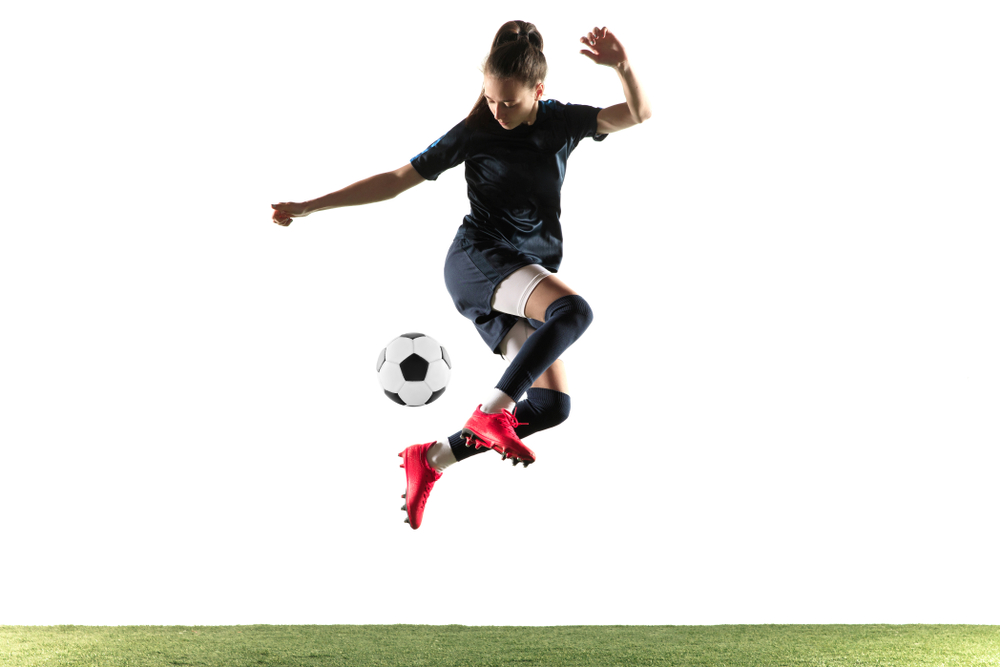
• Football: Often considered the most professionalised environment, football players show the highest levels of Conscientiousness. This trait is linked to goal-setting, discipline, and the “will to achieve”. However, they often score lower on Openness.
• Handball: In a sharp contrast to football, handball players often score highest in Openness but lowest in Conscientiousness. This suggests a group that is more curious, creative, and flexible, potentially because many start the sport later in life and have more varied interests.
• Water Polo: Young water polo players (aged 15–18) stand out for having the lowest levels of Agreeableness. This can manifest as more aggressive or antagonistic behaviour during their developmental years.
3. The Adrenaline Seekers: High-Risk Sports
If you are drawn to rock climbing, rodeo, or sailing, you likely fit the “risky athlete” profile. These individuals are characterised by:
• Higher Extraversion and Openness to Experience.
• Lower Neuroticism and Conscientiousness.
• Thrill-Seeking: They possess a “special readiness” for danger and a notable lack of anxiety compared to those in low-risk sports like tennis.
4. Martial Arts: Zen vs. Combat
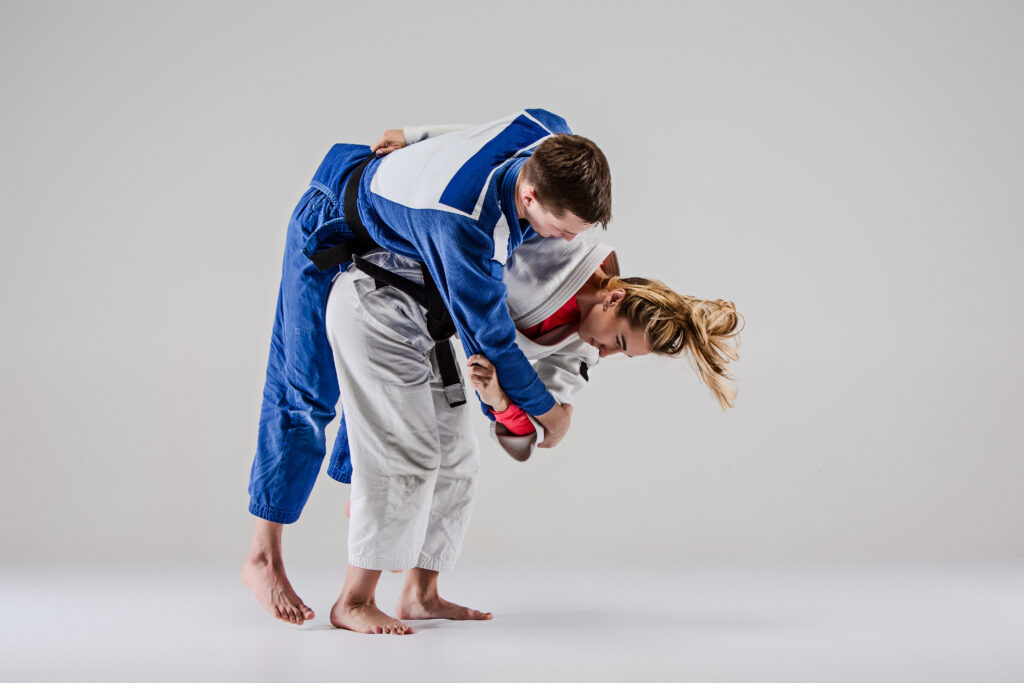
Even within martial arts, personality varies by style. Practitioners of Aikido often exhibit a “model” personality profile, with low neuroticism and high scores across other positive traits, making it a potentially therapeutic sport. Conversely, Kyokushin karate fighters have been noted to show personality indicators that lean towards more aggressive social norms.
5. The “Maturity Principle”: Do We Change Over Time?
A major debate in sport psychology is whether we gravitate toward sports that fit us or if the sport changes our personality over time. The evidence points toward a “maturity principle”:
• Senior players consistently show higher levels of Agreeableness, Conscientiousness, and Emotional Stability than younger players.
• Long-term participation helps athletes learn to control impulses, handle pressure, and cooperate more effectively.
6. What Makes a Champion?
If your goal is the podium, one trait stands above the rest: Low Neuroticism. Elite “Masters” and professional athletes are consistently more emotionally stable and less prone to anxiety than amateurs. They also tend to be more Conscientious and Extraverted, possessing the energy and organisation required for high-level competition.
Final Thought
Whether you are a coach looking to support your team or an amateur trying to find your niche, understanding these traits is key. As the sources suggest, personality isn’t just a static label; it’s a dynamic part of your athletic journey that influences how you play, how you lead, and how you win.
1. Allen, M. S., Greenlees, I., & Jones, M. V. (2013). Personality in sport: A comprehensive review. International Review of Sport and Exercise Psychology, 6(1), 184–208.
2. Piepiora, P. (2020). A review of personality research in sport. Pedagogy and Psychology of Sport, 6(4), 64–83.
3. Raharjo, H. P., Kusuma, D. W. Y., & Hartono, M. (2018). Personality Characteristics in Individual and Team Sports. In The 4th International Seminar on Public Health Education (ISPHE 2018). Atlantis Press.
4. Trninić, V., Trninić, M., & Penezić, Z. (2016). Personality Differences Between the Players Regarding the Type of Sport and Age. Acta Kinesiologica, 10(2), 69–74.