
In the high-stakes world of elite performance, the language of sport often frames competition as a “life or death” struggle. From “must-win” matches to “do or die” penalty shoot-outs, athletes are constantly surrounded by an irrational “win at all costs” culture that can breed extreme pressure. When players adopt these rigid attitudes, they often become too anxious to fulfill their true potential. This is where Rational Emotive Behaviour Therapy (REBT), often rebranded in the field as “Smarter Thinking” to avoid clinical connotations, provides a powerful framework for mental resilience.
The Core Philosophy: It’s Not the Event, It’s the Belief
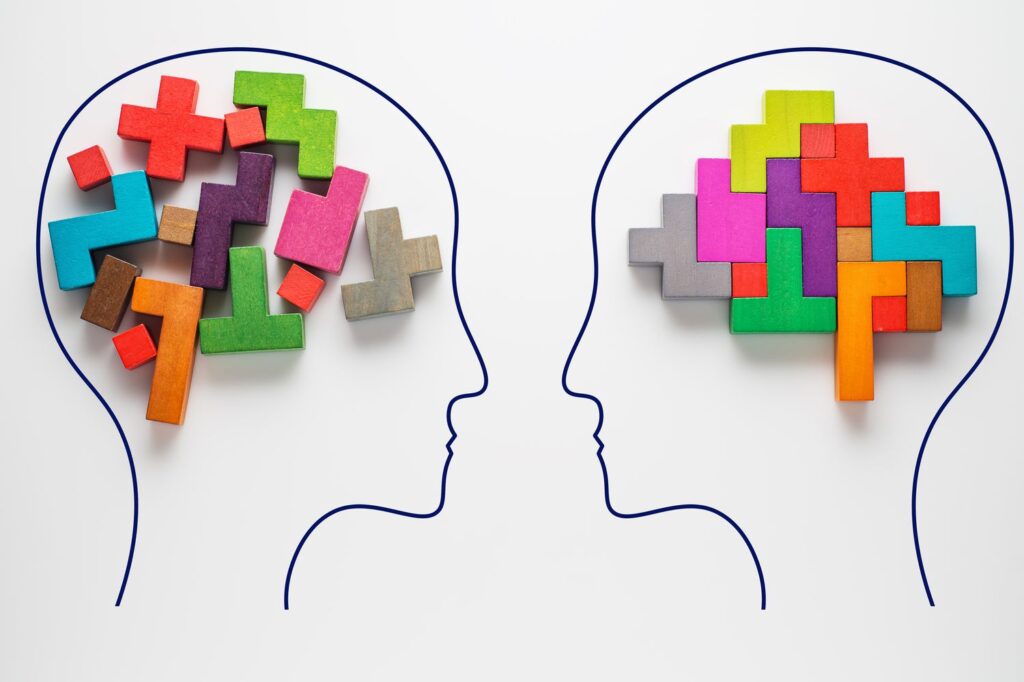
The fundamental premise of REBT is that adversity alone does not cause dysfunctional emotions; rather, it is our beliefs about that adversity that trigger our reactions. In the sporting context, being deselected or making a mistake on the pitch (the Activating Event or “A”) isn’t what causes unhealthy anger or debilitating anxiety. Instead, these Consequences (“C”) stem from the Beliefs (“B”) the athlete holds, such as “I must be fair” or “I must never fail”. By changing these irrational beliefs to rational ones, athletes can transform their emotional and behavioural responses to pressure.
Spotting the “Big Four” Irrational Beliefs
REBT identifies four key types of irrational thinking that block performance:
1. Demands: Rigid “musts” and “shoulds,” such as “I must perform perfectly”.
2. Awfulising: Defining a loss as the “end of the world” or “terrible”.
3. Low Frustration Tolerance (LFT): Believing a situation is “unbearable” or that one “can’t stand” the pressure.
4. Self-Downing: Rating oneself as a “total failure” because of a poor performance.

The Power of Inference Chaining
To get to the root of an athlete’s distress, practitioners use a technique called Inference Chaining. This involves a “downward arrow” approach to find the “Critical A”—the most relevant aspect of a situation that triggers stress. For example, an athlete might initially say they are anxious about a match, but through chaining, they might discover the true fear is “looking bad in front of my colleagues”. Once this gateway thought is identified, it can be directly addressed and disputed.
From Anxiety to Concern: The Path to “E”
The goal of “Smarter Thinking” isn’t to make athletes feel “good” about losing; it is to replace unhealthy negative emotions (like anxiety or depression) with healthy negative emotions (like concern or sadness). This shift is achieved through Disputation (“D”), where the athlete challenges their irrational thoughts using logic, empirical evidence, and pragmatism.
This leads to an Effective New Approach (“E”), where rigid demands are replaced by flexible preferences. Instead of “I must win,” a rational athlete thinks, “I strongly want to win, but it is not the end of the world if I don’t”.
Real-World Rationality: The “Nadal” Way
We see “Smarter Thinking” in action with some of the world’s greatest athletes. After a shocking first-round loss at Wimbledon, Rafa Nadal famously displayed anti-awfulising by stating, “It’s not a tragedy, it’s sport”. Similarly, current England manager Roy Hodgson has noted that the phrase “must-win” leaves him “rather cold,” focusing instead on the process of trying to play well.
Building Your Mental Toolkit
To make these changes stick, athletes use practical tools like cue cards with rational self-statements or homework assignments that involve deliberate exposure to adversity. Research shows that even just a few sessions of REBT—whether one-on-one or in group workshops—can significantly reduce irrational beliefs and cognitive anxiety in athletes ranging from youth cricketers to professional soccer players.
By adopting a Smarter Thinking approach, athletes can learn to become their own “self-coach,” ensuring that when the pressure is on, their mindset facilitates performance rather than hindering it.