
A Guide for Sports Parents
Injuries are an unfortunate reality of competitive sport. Whether your child plays football, gymnastics, swimming, rugby, or tennis, the chances are that at some point they’ll face time on the sidelines. And while we naturally focus on the physical healing — the scans, the physio appointments, the recovery timelines — the psychological journey your child goes through deserves just as much attention.
An injury is far more than a physical setback. For a young athlete, it can trigger a significant and often overwhelming emotional adjustment process.

The Initial Shock and Frustration
When an injury strikes, particularly a serious one, your child may experience a wave of intense negative emotions — anger, anxiety, sadness, and fear are all completely normal responses. Their routine has been disrupted, their goals have been thrown into question, and that sense of achievement they get from training and competing has suddenly been taken away.
It’s also worth knowing that the more serious the injury, the more intense these feelings tend to be. Even setbacks during rehabilitation, a slower-than-expected recovery or a minor relapse, can reignite those emotions all over again. Many young athletes also go through a period of denial, struggling to accept the severity of what’s happened and hoping for a faster recovery than is realistic. Feeling devastated, cheated, or restless is all part of this early phase.
The Challenge of Isolation
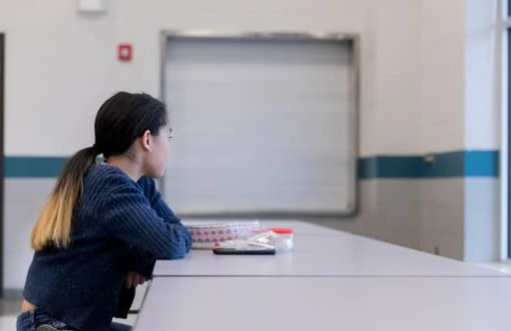
One of the most profound impacts of injury is the feeling of being cut off. Sport is deeply social — training sessions, team talks, competitions, and even the car journeys to and from practice all build friendships and a sense of belonging. When your child is suddenly sidelined, all of that disappears overnight.
This sense of isolation is one of the most commonly reported struggles among injured young athletes, regardless of the sport. It tends to hit hardest at the beginning of the injury period, when the contrast between their previous routine and their new reality feels most stark.
Facing an Identity Crisis
For many children and teenagers, sport isn’t just something they do, it’s a core part of who they are. When an injury takes that away, even temporarily, it can shake their sense of self in ways that surprise both them and their parents.
Their self-worth may feel tied to their performance and physical ability, so being unable to train or compete can lead to a real loss of confidence and self-esteem. They might feel directionless without their usual routine, or struggle to answer the simple question of what to do with their time. This identity disruption is entirely normal, but it’s important not to underestimate how significant it can feel to a young person.
What You Can Do Right Now
The most important thing you can offer is acknowledgement. Let your child know that everything they’re feeling, the frustration, the sadness, the uncertainty, is a completely normal response to a genuinely difficult situation. Try not to rush them toward positivity before they’ve had space to feel upset.
Keep the lines of communication open, and make clear that asking for help, whether from you, a coach, or a sports psychologist, is a sign of strength. Research consistently shows that addressing the psychological side of injury early is linked to faster and more complete physical recovery, so taking their emotional wellbeing seriously isn’t just kind, it’s practical.