
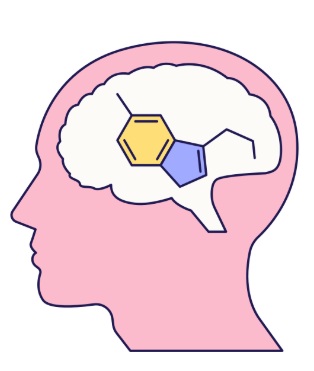
The Impact of Serotonin on Mental Health
Let’s talk about a neurochemical that significantly influences your mental health – the “happy” hormone: Serotonin. Serotonin plays a crucial role in shaping our well-being, affecting how we think, feel, and act. Imagine serotonin as a thermostat for your mood, keeping your emotional temperature comfortable and regulated.

Factors That Can Disrupt Your Serotonin ‘Thermostat’
- Mood: Low serotonin levels can lead to feelings of sadness, anxiety, and negativity. Stress can deplete your serotonin reserves, resulting in low mood and fatigue.
- Sleep: Difficulty winding down after a busy day might be due to low serotonin, which can disrupt your sleep cycle since it is a precursor to melatonin (the sleep hormone). Poor sleep can further affect serotonin production.
- Appetite: Blood sugar fluctuations can impact serotonin levels, affecting appetite regulation and leading to unhealthy cravings.
- Lack of Sunlight: Sunlight is essential for serotonin production, so not getting enough outdoor exposure or experiencing gloomy days can lower serotonin levels.

Strategies to Maintain a Healthy Serotonin ‘Thermostat’

- Get Moving: Exercise is a natural mood booster, promoting the release of serotonin and endorphins. Even a simple morning walk can make a difference!
- Prioritise Sleep: Establishing a good sleep routine allows your brain to recharge and replenish essential neurotransmitters, including serotonin. Consider making your bedroom a ‘phone-free’ zone to help your brain switch off.
- Balanced Diet: Consuming natural foods rich in complex carbohydrates and healthy fats can support healthy serotonin levels.
- Sunlight Exposure: Getting early sunlight or outdoor exposure soon after waking, even on cloudy days, can help regulate your body’s natural serotonin production and leave you feeling energized for the day.
By incorporating these strategies into your daily routine, you can adjust your ‘thermostat’ and significantly enhance your well-being.