
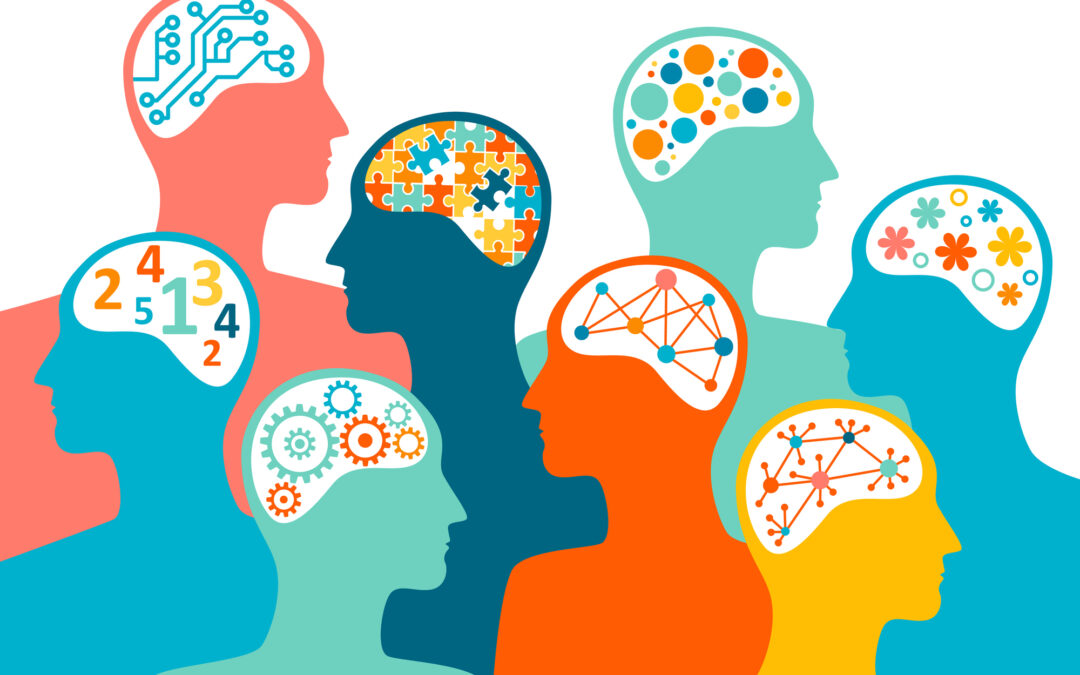
Neurodiversity is not a deficit to be managed; it is a natural variation in human cognition that is surprisingly prevalent in the world of high-performance sport. Recent evidence suggests that conditions like Attention-Deficit/Hyperactivity Disorder (ADHD) and Autism Spectrum Conditions (ASC) may occur at even higher rates among elite athletes, estimated at 7%–8% than in the general population. While neurodivergent athletes bring unique “superpowers” to the field, they also face systemic challenges that require a shift in how we approach coaching and support.
The Hidden Hurdles: Challenges on the Field
The primary challenge for neurodivergent athletes is often not their diagnosis, but an “environmental misfit” within traditionally rigid sporting structures. Many standard coaching models rely on neurotypical norms that can inadvertently create barriers:
• The Weight of Masking: Many athletes “mask” or camouflage their traits to fit into academy or team cultures. The cognitive and emotional effort required to “act neurotypical” leads to significant stress, anxiety, and eventual burnout.
• Decision Fatigue: While “client-led” coaching is the gold standard, open-ended questions can cause intense decision fatigue and overwhelm for those who struggle with executive function or ambiguity.
• Sensory and Communication Overload: High-pressure environments, bright stadium lights, and even the sensory demands of video-based tactical reviews can lead to sensory overload.
• The Safety Gap: Research highlights that athletes with ADHD face a higher frequency of concussions and may experience prolonged recovery times, requiring more vigilant medical monitoring.
Reframing Traits as “Superpowers”
When the environment is adapted, neurodivergent traits become significant competitive advantages. The ability to hyperfocus, an intense, singular concentration, allows athletes to block out distractions and master complex skills. Similarly, the hyperactivity and impulsivity associated with ADHD can translate into rapid reaction times and high energy levels that are perfectly suited for fast-paced sports like football or basketball.
The Neuro-Inclusive Toolkit: How Coaches Can Support Individuality
Supporting neurodiverse athletes doesn’t require a complete overhaul of coaching, but rather a personalisation of practice that benefits the entire squad.
1. Multi-Modal Communication Move away from long verbal briefings. Use bite-sized instructions and reinforce them with visual prompts, such as diagrams, whiteboards, or printed session objectives. Research shows that many neurodivergent athletes process information better when moving; standing still is not always a requirement for listening.
2. Structured Choice Instead of asking open-ended questions that might cause anxiety, offer structured choices. For example, instead of asking “What do you want to work on today?”, try “Would you like to focus on your positioning or your finishing in this session?”.
3. Environmental Adaptations
• Prevent Boredom: Use short drills with a quick turnover to keep engagement high.
• The “Red Flag” System: Work with the athlete to identify triggers for emotional outbursts and agree on a silent signal, a “red flag” that allows them to take a brief sensory break or “time-out” to regroup.
• Sensory Tools: Simple tools, like a piece of blu-tac or a fidget, can help an athlete regulate their energy during tactical briefings without distracting from the message.
4. Building Trusting Partnerships The foundation of neuro-inclusive coaching is trust and rapport. Athletes who have historically been told they are “difficult” or “unfocused” respond powerfully to a non-judgmental, strengths-based approach.
True inclusivity in sport means moving away from the “adapt or fail” mentality. By embracing a social model of disability, we stop trying to “fix” the athlete and start adapting the environment to unlock their potential. When we coach the individual rather than the diagnosis, we don’t just support neurodiverse athletes, we optimise the performance of the whole team by celebrating the full spectrum of human talent.