
If your child is competing at any level while also keeping up with school, they are navigating what researchers call a “dual career” — and it’s no small feat. Being a full-time student and a high-performance athlete simultaneously places enormous demands on young people, both physically and mentally. Understanding those pressures is one of the most powerful things you can do as a parent.

The Reality of the Dual Career
Recent research confirms what many sports parents already sense: the combination of academic and athletic commitments creates a unique set of challenges. One of the most significant risks is burnout, a psychological syndrome that shows up as emotional and physical exhaustion, a reduced sense of accomplishment in sport, and a gradual loss of enjoyment. Importantly, burnout tends to increase during the school year, when both sets of demands peak at the same time.
The numbers paint a clear picture. Studies show that student-athletes can spend an average of around 26–27 hours per week on academic commitments (lessons, homework, revision) alongside 10 or more hours of sport-specific training, not including competitions and physical conditioning sessions. It’s a schedule that would challenge any adult, let alone a teenager still developing emotionally and physically.
It’s no surprise, then, that roughly 37% of student-athletes in one study described balancing sport and school as genuinely difficult.
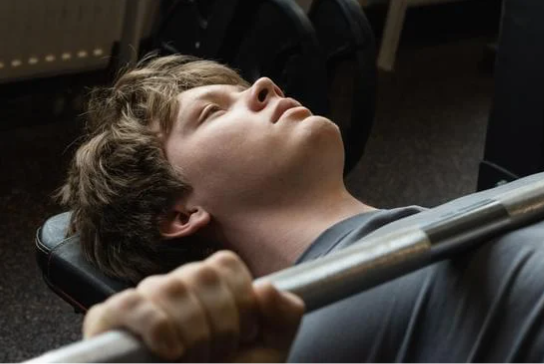
What Young Athletes Are Actually Struggling With
Beyond the hours on paper, the lived experience of young athletes often includes ongoing physical and psychological fatigue, persistent tiredness, muscle soreness, and a mental heaviness that doesn’t shift easily. Many also struggle with procrastination, sometimes driven by social media use as a way of mentally switching off from relentless demands. Perhaps most underappreciated is the social cost: missing parties, seeing friends less, and spending limited time with family. These sacrifices can quietly chip away at a young person’s sense of identity outside of sport, which research shows is an important protective factor for mental well-being.
How You Can Help
The good news is that parents play a genuinely significant role in buffering against burnout. Here are some practical ways to support your child:
Plan ahead together. Help your child develop time management habits — mapping out the week, scheduling homework around training, and identifying crunch points before they arrive rather than reacting to them in the moment.
Learn to recognise the warning signs. Burnout doesn’t happen overnight. It builds gradually, so knowing what to look for — persistent low mood, a drop in motivation, unusual irritability, or complaints of constant tiredness — means you can step in early. If those signs persist, encourage your child to speak to their coach, a school counsellor, or a medical professional.
Keep the lines of communication open. Talking regularly with both your child’s coaches and teachers creates a shared understanding of the load they’re carrying. This is especially valuable around exam periods or heavy competition schedules, where some flexibility in expectations from one side or the other can make a real difference.
Protect space for a life outside sport. This one is easy to overlook when results are going well and your child seems motivated. But maintaining hobbies, friendships, and downtime that have nothing to do with sport or school is one of the most effective protections against burnout. A young athlete who has other sources of joy and identity is far more resilient than one whose entire sense of self is tied to performance.
A Final Thought
The journey of a young competitive athlete is genuinely demanding, and the fact that your child is doing it while keeping up with school deserves real recognition. With early awareness, open communication, and a commitment to supporting the whole person — not just the athlete — families can make an enormous difference to how their child experiences this chapter of their life.