
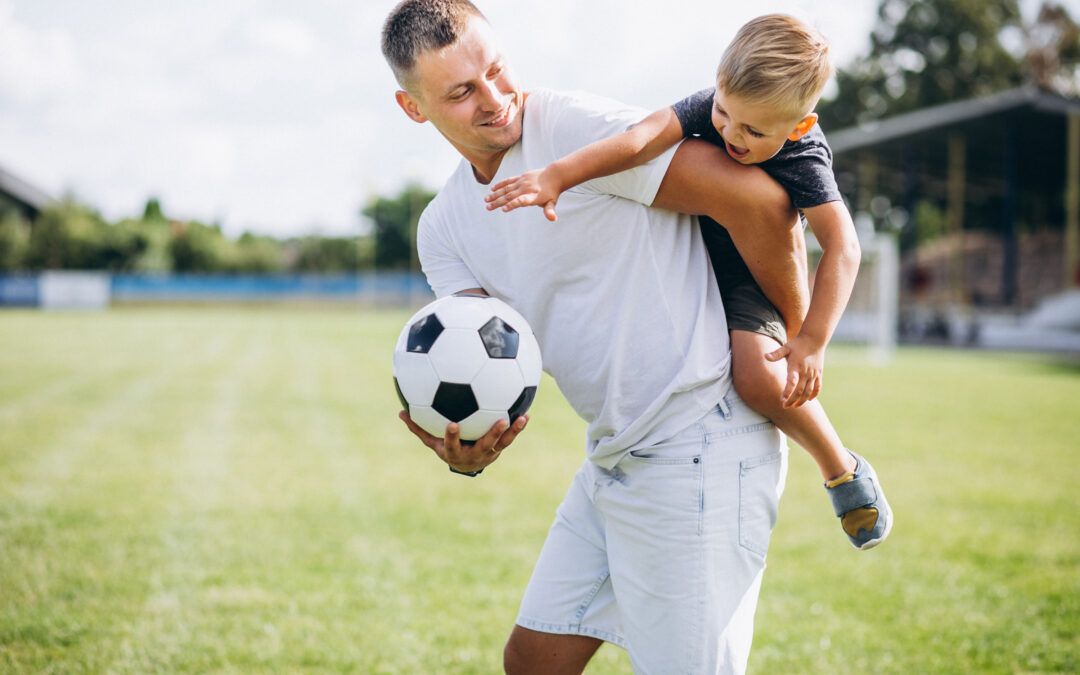
As a parent, you are one of the most significant influences on your child’s experience of sport — not just in terms of results, but in how they feel about themselves, their performance, and their future. The strategies below are designed to help you create the kind of environment where your child can genuinely thrive, both in their sport and in life more broadly.

Foster Open Communication and Active Listening
One of the most valuable things you can offer your child is a space where they feel safe to talk honestly. This means creating a home environment that is free from judgement, where sharing difficult feelings is welcomed rather than dismissed or immediately “fixed.”
When your child does open up, practise genuinely listening — making eye contact, putting your phone down, and resisting the urge to jump in with advice or solutions. Often, young people don’t need answers; they need to feel heard and understood. Validating their emotions, even when you don’t fully share their perspective, goes a long way towards building the kind of trust that keeps communication open over time.
Promote a Balanced Lifestyle
It can be tempting, especially when a child shows real talent and commitment, to let sport gradually crowd out everything else. Research consistently shows that this is counterproductive. Young athletes who maintain interests, friendships, and downtime outside of their sport are more resilient, more motivated, and less susceptible to burnout.
Encourage your child to spend time with friends, pursue hobbies that have nothing to do with their sport, and simply rest without guilt. Sleep and recovery are not optional extras — they are a fundamental part of athletic development. Equally, supporting their academic life and helping them see education as genuinely important, rather than something that gets in the way of training, gives them a foundation that will serve them regardless of where their sporting journey leads.

Offer Positive Reinforcement and Encouragement
The way you talk about performance matters enormously. Young athletes who are praised primarily for outcomes — winning, scoring, finishing times — learn to tie their self-worth to results, which makes setbacks much harder to process. Shifting your focus to effort, improvement, and attitude gives your child something they can always control, regardless of what happens on the day.
Celebrate small milestones and acknowledge the hard work behind them. Help your child develop a mindset that treats challenges and setbacks as part of the learning process rather than evidence of failure. The athletes who go furthest are rarely those who never struggled — they are the ones who learned to use struggle constructively.

Help Them Develop Coping Skills
Stress is inevitable in competitive sport. The goal isn’t to eliminate it but to give your child the tools to manage it well. Healthy coping strategies might include physical activity away from their main sport, breathing or relaxation techniques, journalling, or simply having a trusted adult they can talk to when things feel overwhelming.
It’s also worth gently helping your child notice and challenge unhelpful thought patterns — the inner voice that catastrophises a bad performance or assumes the worst about what a coach thinks of them. You don’t need to be a therapist to do this; asking questions like “is that definitely true?” or “what would you say to a friend who felt that way?” can be surprisingly powerful.
If stress or anxiety seems persistent or is significantly affecting their daily life, don’t hesitate to seek support from a sports psychologist or counsellor. Accessing professional help is a sign of strength, not weakness, and normalising that message early makes it far easier for your child to ask for help when they need it.
Understand the Pressures Your Child Faces
The more you understand about what your child’s sporting environment actually demands of them, the better placed you are to support them. Attending training sessions and competitions when you can, and maintaining a respectful, open relationship with their coaches, gives you a much clearer picture of what they’re experiencing day to day.
Be particularly mindful during difficult transitions — injury, being dropped from a squad, a change of coach, or any unexpected shift in their sporting pathway. These moments can hit young athletes hard, triggering genuine grief and anxiety about their identity and future. During these times, your presence, patience, and willingness to sit with their feelings without rushing to resolve them is often the most helpful thing you can offer.
Create a Supportive Home Environment
Your child needs to know, without any doubt, that your love and pride in them is not conditional on their performance. This sounds straightforward, but it’s something worth actively reinforcing — especially after a difficult match or a period of poor form when they may be particularly vulnerable to self-criticism.
Prioritise quality time together that has nothing to do with sport. Show genuine interest in who they are as a person, not just as an athlete. Help them build a sense of identity that is broad and secure enough to withstand the inevitable ups and downs of competitive sport.
Take Mental Health as Seriously as Physical Health
If your child came home from training with a muscle injury, you would take it seriously, seek advice, and give it time to heal. Mental health deserves exactly the same response. Encouraging your child to talk about how they’re feeling, checking in regularly rather than waiting for a crisis, and treating emotional struggles with the same care you would a physical one sends a powerful message about what really matters.
Work to normalise conversations about mental wellbeing in your home. The more openly it is discussed, the less stigma your child will attach to struggling — and the more likely they are to ask for help when they need it.
Supporting your child’s mental health isn’t separate from supporting their athletic development. It is athletic development. The young athletes who build genuine resilience, self-awareness, and emotional regulation are the ones best equipped to perform under pressure, recover from setbacks, and sustain their love of sport for years to come.