

At Inside Edge Sport Psychology, we understand that every athlete strives for peak performance and consistency. One of the most appealing and widely accepted techniques to enhance preparation for competition is the Pre-Performance Routine (PPR). These routines are not just for elite athletes like Tiger Woods or Michael Jordan, but are a powerful tool for anyone looking to gain a mental and physical edge in their sport.
What Exactly Are Pre-Performance Routines?
A pre-performance routine is officially defined as “a sequence of task-relevant thoughts and actions which an athlete engages in systematically prior to his or her performance of a specific sports skill”. This definition highlights both the cognitive (thoughts) and behavioural (actions) elements involved. Unlike superstitious behaviours, which stem from accidental reinforcement and are not systematically engaged or task-relevant, PPRs are intentional and structured. While the term “pre-shot routine” might be used for specific actions like a golf putt or basketball free-throw, “pre-performance routine” encompasses preparation for a broader sport event.
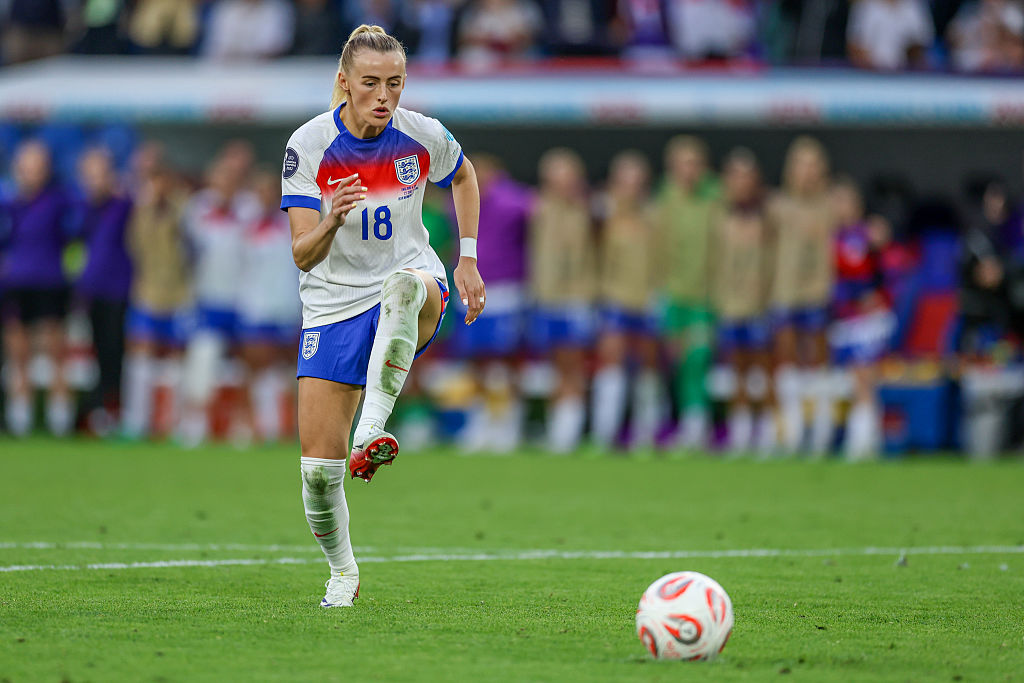
Athletes themselves often use terms like ‘rituals’, ‘superstitions’, ‘routines’, and ‘habits’ interchangeably when describing these preparatory thoughts and behaviours. In open-skill sports, athletes often perceive their preparation strategies as a “checklist” of items they feel compelled to complete to get ready.
The Science of Success: How PPRs Work
The popularity of PPRs stems from a strong belief in their ability to enhance performance. Research suggests several key functions and mechanisms through which they achieve this:
• Improving Concentration and Attentional Focus: PPRs help athletes direct their thoughts to task-relevant cues and minimise both internal (e.g., negative thoughts) and external distractions (e.g., audience noise). They prescribe an attentional focus and divert attention away from irrelevant thoughts.
• Anxiety Regulation: PPRs can help down-regulate anxiety levels, which is especially beneficial under pressure. This can prevent “choking under pressure” by helping athletes adjust to the demands of competition.
• Enhancing Self-Efficacy and Control: By following a routine, athletes often report an increased feeling of control and confidence prior to performing. Successfully completing the routine contributes to a perception of overall readiness.
• Triggering Well-Learned Movement Patterns: Routines can act as a trigger for ingrained motor schemas, allowing for the automatic execution of skills without overthinking the mechanics.
• Mental Rehearsal and Action Planning: PPRs allow for a plan of action and mental rehearsal prior to the physical execution of a motor skill.
• Achieving Optimal Psycho-Biosocial States: The overall purpose of PPRs is to bring an athlete into an optimal emotional, confident, and focused state immediately before execution, and to maintain that state during the performance.

Proof in Performance: The Evidence
A recent meta-analysis, encompassing 112 effect sizes across 15 different sports, has provided robust empirical support for the benefits of PPRs.
• Significant Performance Enhancement: The analysis revealed a significant, albeit small, effect of PPRs on sport performance in pre-post designs (SMC = 0.31). More notably, it found moderate-to-large effects in experimental designs, both under low-pressure (Hedges’ g = 0.64) and pressurised conditions (Hedges’ g = 0.70).
• Effectiveness Across Diverse Contexts: PPRs were found to be beneficial for both novice and experienced athletes, and their effectiveness was not significantly moderated by age, gender, skill level, or the specific type of routine. This means PPRs work for a wide range of individuals across various competitive standards.
• Pressure Situations: Crucially, PPRs prove helpful in both low-pressure and high-pressure situations. The typical goal of a PPR under pressure is to prevent performance failure.
Crafting Your Winning Routine: Components & Development
An effective PPR can be composed of various elements, and how it is developed can significantly impact its utility.
Understanding the Elements:
PPR components can be broadly categorised by athletes as:
• Physical or Mental: Physical elements involve specific actions like dietary considerations, sleep preparation, and warm-ups, sometimes including rehearsing a particular skill. Mental components include strategies like music selection, visualisation, and prayer.
• Self- or Group-Oriented: While many elements are self-focused, group-oriented components involve interactions with teammates, such as pre-game handshakes or team warm-ups.
• Rigid or Adaptable: Some components are seen as essential and unvarying (“always,” “have to”), while others are more flexible, adjusted based on internal or external factors like how the body feels.
Common PPR elements identified in research include physical routines, imagery (visualisation), self-talk, relaxation, and external focus of attention. More recently, techniques like left-hand dynamic handgrip (clenching the left fist to reduce cortical activity) and quiet eye (the final visual fixation on a target) have also been explored as effective stand-alone elements.
How Routines Take Shape:
• Genesis: Athletes often develop their routines by modelling peers or role models, adhering to group norms, incorporating cultural or religious practices, or even through chance.
• Fine-Tuning: Over the course of an athlete’s career, preparation strategies are refined and optimised to best suit their competitive needs, often based on experience or guidance. Coaching staff can play a significant role in imposing structure during earlier career stages.
The power of pre-performance routines is undeniable. By systematically integrating task-relevant thoughts and actions, athletes can significantly enhance their concentration, regulate anxiety, boost confidence, and consistently achieve their optimal performance states. Begin exploring and refining your own PPR today to gain that crucial Inside Edge in your sport!