
Over the past few weeks, we’ve been building your mental toolkit — exploring mindfulness, and self-talk. This week, we introduce another genuinely powerful mental skill: gratitude, and specifically how practising it can help you develop one of the most valuable attributes in sport and in life — perspective.
What Is Gratitude, and How Does It Offer Perspective?
At its core, gratitude is the quality of being thankful; a tendency to recognise and genuinely appreciate the positive experiences and outcomes in your life, and to acknowledge that much of what is good often comes, at least in part, from sources outside yourself: other people, fortunate circumstances, the support of those around you.
But developing real perspective asks something more of us than simply noticing the good things. This is where the idea of mature gratitude becomes important. Mature gratitude doesn’t just embrace prosperity and positive moments — it also finds meaning in adversity and difficulty. It’s the ability to look at a hard experience, a setback, an injury, a poor performance, and consciously ask: what can I take from this? How might this make me stronger or wiser?
This isn’t about pretending difficult things aren’t difficult. It’s about choosing to view your life and your journey through a wider, more balanced lens , one that makes challenges feel less like threats and more like part of the process.
What Gratitude Actually Does for You
The benefits of cultivating gratitude are well-supported by research and extend well beyond simply feeling more positive.
It builds resilience. Gratitude acts as a genuine buffer against stress. When you regularly practise it, you develop a habit of finding solid ground even in difficult moments, which makes it easier to recover from setbacks rather than being derailed by them.
It reframes adversity. Grateful people tend to experience hardship as a challenge to meet rather than a threat to survive. That shift in framing, subtle as it sounds, has a meaningful effect on how much stress a difficult situation actually generates.
It reduces negative emotions. By occupying mental space that might otherwise be filled with anger, envy, or self-doubt, gratitude has been shown to reduce anxiety, stress, and depressive symptoms. Research suggests it can make difficult emotional periods both shorter and more manageable.
It broadens your thinking. Positive emotions, including gratitude, expand the way your mind works, making you more flexible, more creative, and better able to find multiple ways through a problem. In sport, that kind of mental agility is a real asset.
It increases hope. Gratitude and hopefulness are closely linked. Regularly reflecting on what is good in your life, even amid difficulty, has a meaningful effect on your sense of what is possible going forward, which in turn supports your overall psychological wellbeing.
It strengthens your relationships. Recognising and appreciating the support you receive from coaches, teammates, family, and friends deepens those connections. It shifts your awareness towards what others contribute to your journey, rather than focusing solely on personal frustration or disappointment.
It gives you a sense of control. In uncertain or challenging times , when outcomes feel out of your hands, taking a moment to reflect gratefully on your experiences can restore a feeling of agency and groundedness.

Practical Ways to Cultivate Gratitude
Gratitude is a skill, which means it develops with practice. Here are some simple ways to build it into your daily routine.
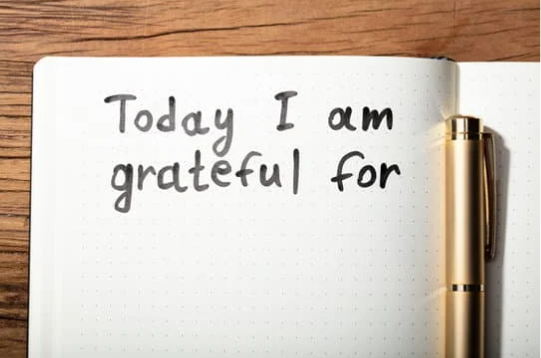
Keep a gratitude journal. At the end of each day, write down three things you are genuinely thankful for. They don’t need to be significant — in fact, noticing small things is often where the real shift in perspective begins. Over time, this practice trains your attention towards the positive without ignoring the difficult.
Reflect on the three good things from training or competition. After a session, alongside any self-talk or goal-setting reflection, ask yourself: what went well today, however small? What am I glad happened? This is especially valuable after a hard session, when the instinct is to focus only on what went wrong.
Express gratitude to others. Telling a teammate you appreciated their support, thanking a coach for their time, or simply acknowledging someone who helped you deepens the feeling of gratitude beyond a private thought. Acts of kindness and expressed appreciation reinforce the mindset and strengthen the relationships around you.
Draw on whatever gives you a sense of meaning. For many people, gratitude is connected to spiritual belief or religious practice — prayer, reflection, or a sense of connection to something larger than themselves. If that resonates with you, lean into it. The research suggests it is a particularly rich source of the kind of deep, mature gratitude that supports genuine wellbeing.
Gratitude won’t eliminate the hard parts of being a competitive athlete. But practised consistently — especially the mature form that finds meaning in adversity as well as success — it can fundamentally change the lens through which you experience your journey. And that shift in perspective is one of the most powerful performance and wellbeing tools available to you.